Seed Key Algorithm Example . Regardless of how many times we apply the cryptography algorithm to seed phrase, same private keys need to be generated. Restored car seed key algorithm source code in python programming language. Flowchart of the decryption process of the proposed algorithm from www.researchgate.net Mkiv vw vdo cluster seed/key algorithm (read 1741 times) gmenounos. Here are some couple of seed / key pairs. Restored car seed key algorithm source code in python programming language.
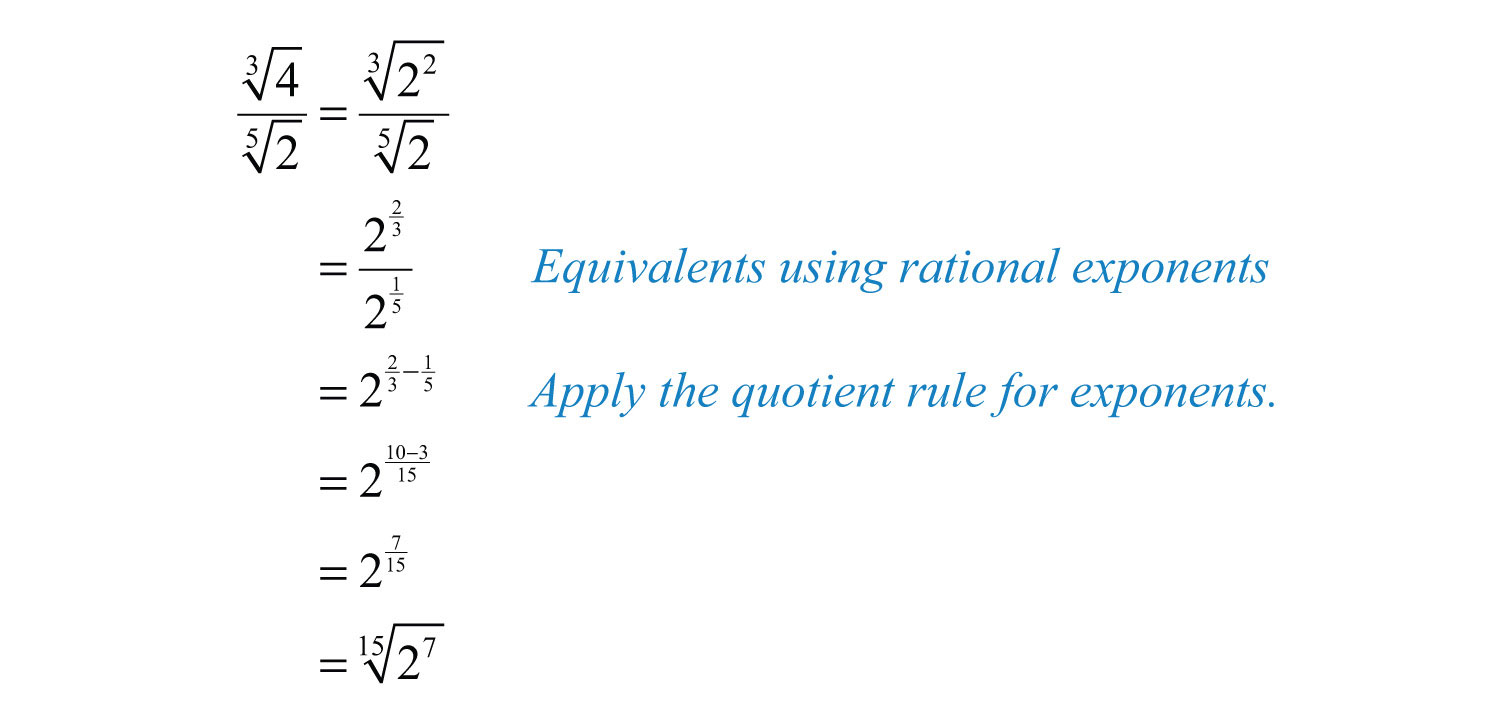
Division Of Radicals Examples. Rationalizing is the process of starting with a fraction containing a radical in its denominator and determining fraction with no radical in its denominator. The following diagram shows some of the rules for multiplying, dividing, and simplifying radicals.
Unit 5 Alex Perloff from sites.google.com
Scroll down the page for more examples and solutions. The following diagram shows some of the rules for multiplying, dividing, and simplifying radicals. The following diagram shows some of the rules for dividing and simplifying radicals.
The Same Is True Of Roots:
X√ab = x√a⋅ x√b a b x = a x ⋅ b x. If you need help with this step, make sure to check out the lesson on simplifying radicals. We need to multiply top and bottom of the fraction by the conjugate of (√3 − √2).
However, Notice That The Examples Of Dividing Radical Expressions In The Previous Section Had Numbers Other Than 2 In The Top Left Corner Of The Radical Sign.
The same is true of roots: Scroll down the page for more examples and solutions. X√a b = x√a x√b a b x = a x b x.
Students Learn To Get Rid Of A Radical In The Denominator Of.
√ 1 12 = √ 1 12 ⋅ 3 3 = √ 3 36. Both types are covered in this video. Within the radical, divide 640 by 40.
Multiply −5√14⋅4√6 − 5 14 ⋅ 4 6.
Multiply the values under the radicals. The question requires us to divide 1 by (√3 − √2). Division of radicals and rationalization of denominators divide and simplify radical expressions with two variables (3:06) divides to get an example with multiplication and division (6:06) simplify (solution:
To Rationalize A Denominator With A Higher Index Radical, We Multiply The Numerator And Denominator By A Radical That Would Give Us A Radicand That Is A Perfect Power Of The Index.
When dividing radical expressions, use the quotient rule. 5) a further video on rationalization. Scroll down the page for more examples and solutions.


Comments
Post a Comment